
Along the Olympic Highway
An ecotourism Journey from Albury to Cowra
When driving between Sydney and Albury or vice versa, the quickest route is along the Hume Highway. If time is not an issue, it is worth taking a detour along the Olympic Highway. The Olympic Highway is a 317km stretch of rural road that was named in honour of the path that the Olympic Torch took on its journey from Cowra to Albury for the 1956 Melbourne Olympic Games.
While the Riverina region of New South Wales is not usually the first place that comes to mind when finding spots to enjoy nature, there area is dotted with small nature reserves, wetlands, rocky outcrops and parks.
Albury
While the Olympic Highway actually starts just north of Albury, it is definitely worth exploring. The Murray River runs through the town so enjoy a leisurely stroll, run or bike ride along the peaceful Wagirra Trail which follows the Murray River for over six kilometres. The path features a number of informative signs that highlight the history of the Wiradjuri people as well as a series of sculptural works that depict the Wiradjuri's connection with the Murray River.
For a more leisurely stroll there is the Albury Botanic Gardens. For cooling off during the warmer months there is Noreuil Park which is popular for swimming, kayaking, paddleboarding and picnicking. Lake Hume, a fifteen minute drive from Albury is the perfect spot for scenic strolls, picnics, swimming or fishing.
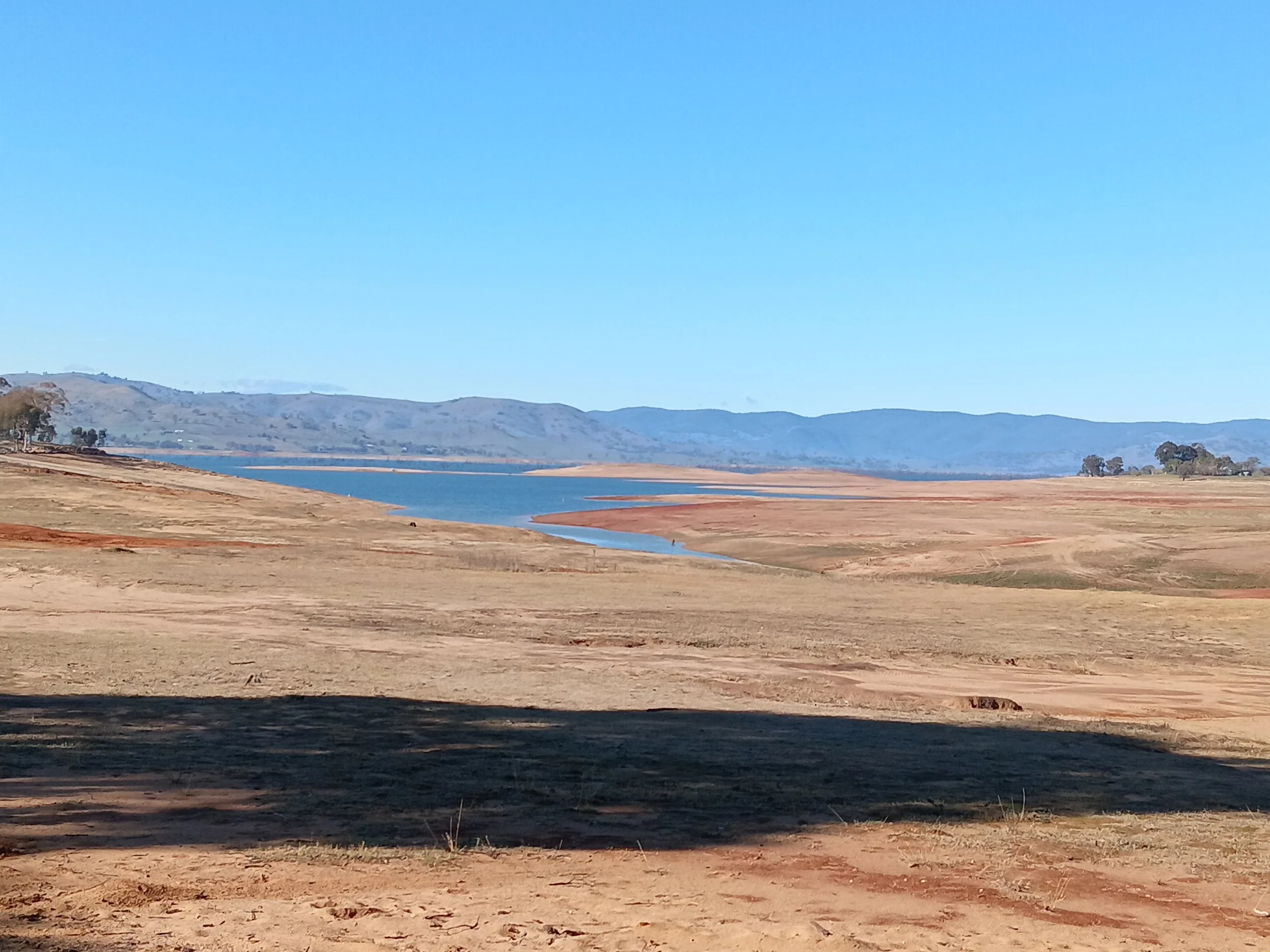
Lake Hume
Culcairn/Henty
Both these towns are pretty small towns and it is worth stopping to look at the historic buildings, cafes and bakeries in the town centres. If you feel like a longer stroll, you can take a walk along Billabong Creek in Culcairn or the Henty Government Dam Nature Reserve. The Henty Government Dam Nature Reserve is great for bird lovers, where up to 140 different bird species either make their home or migrate for the season.
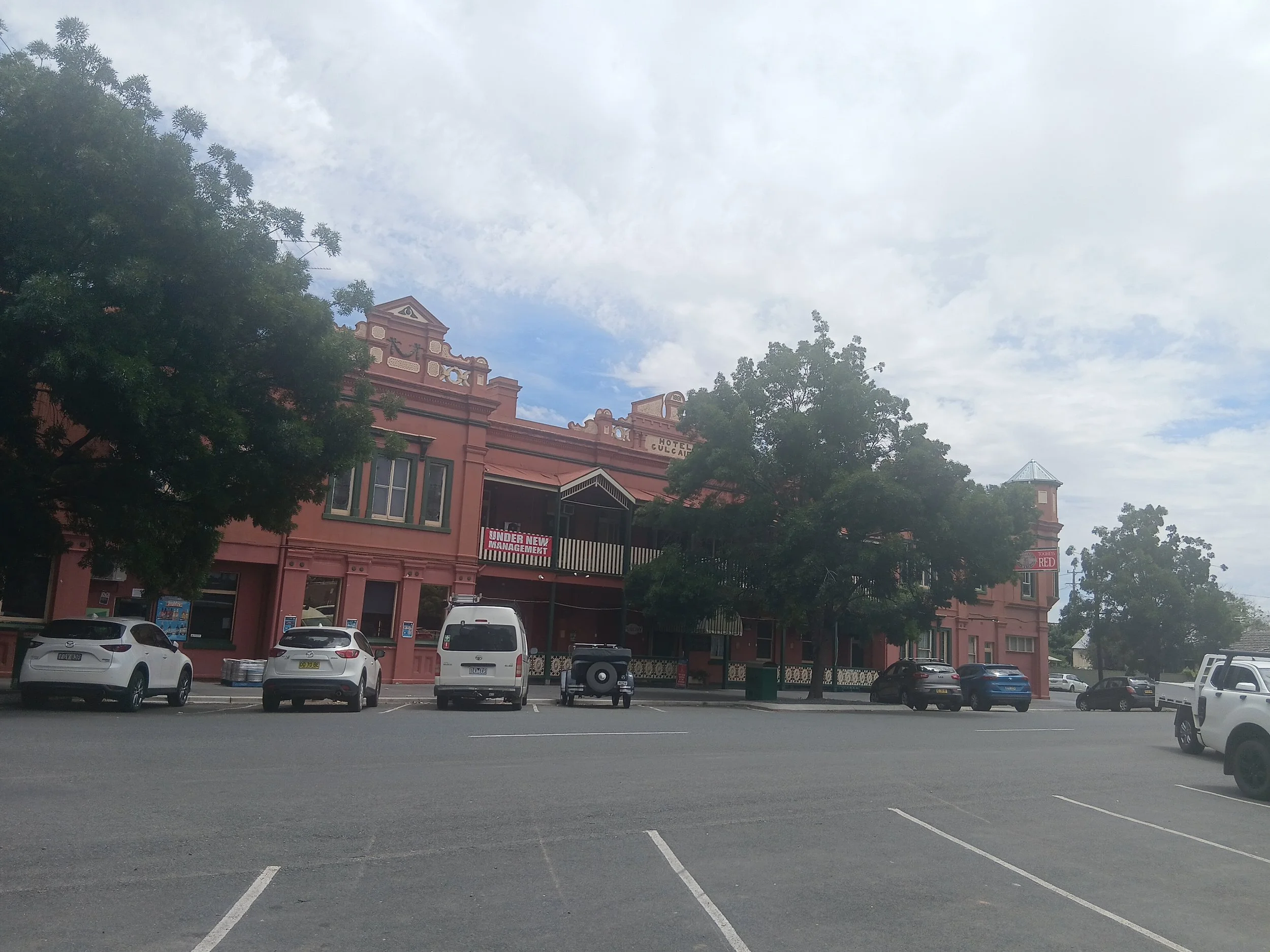
The Historic Culairn Hotel
The Rock Nature Reserve – Kengal Aboriginal Place
The Nature reserve is located 3.8 km west of the Rock village along the Lockhart – The Rock Road. The Rock Nature Reserve provides a place of natural habitat for many native animals with nearly 100 birds species being recorded on the reserve. The Turquoise Parrot and Glossy Black-Cockatoo, listed as vulnerable under the Threatened Species Conservation Act 1995, have both been recorded on the reserve.
The summit of the ridge stands at 364 metres above the surrounding plain, providing spectacular views of Mount Kosciuszko and the Victorian Alps on a clear day. The walk to the summit via the Yerong Walking track is 6 km return. It is a challenging walk as it gets steep at the top, but it is well worth it.
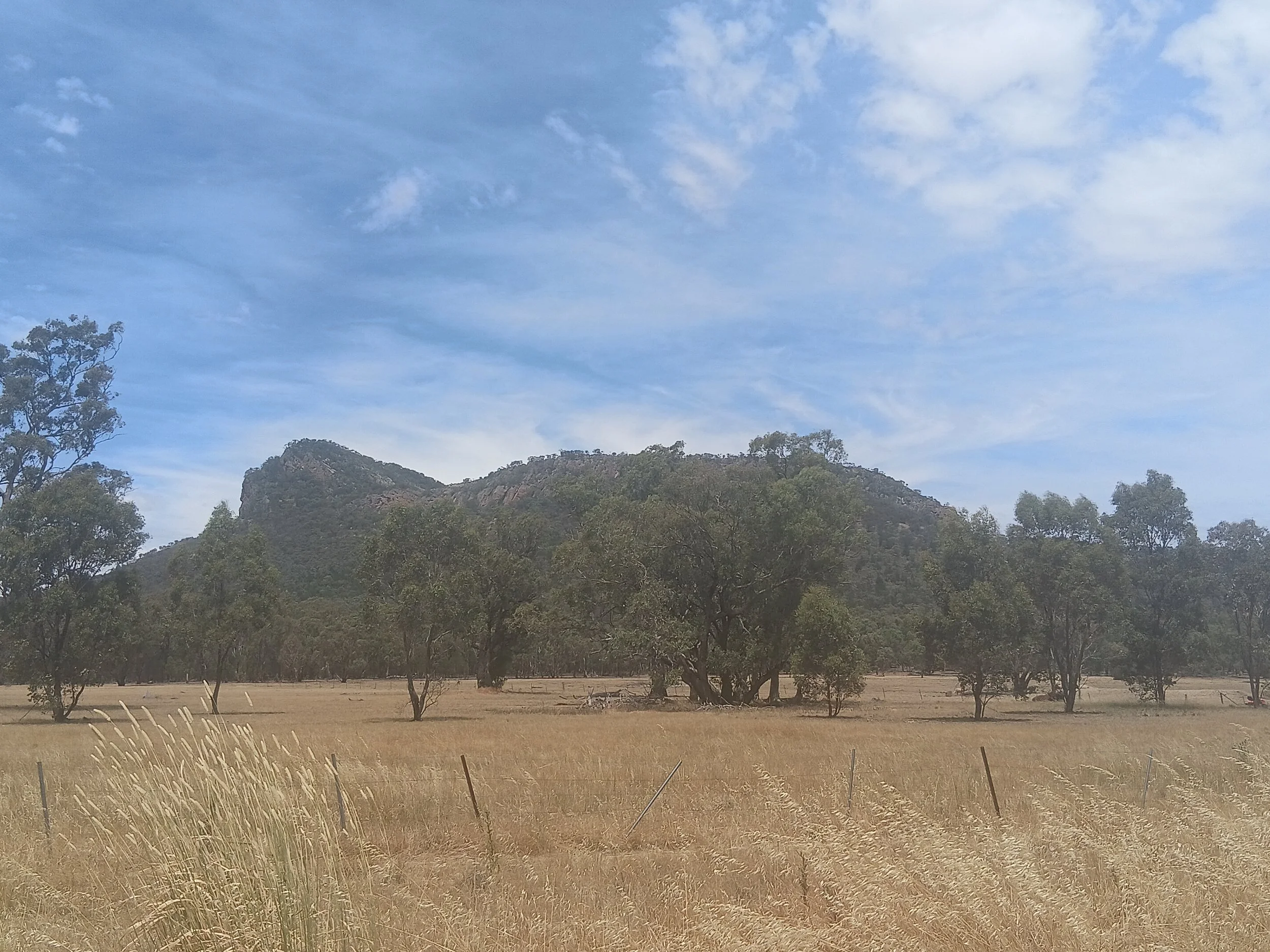
The Rock
If you have the time, the Tootool rest area is worth a quick stop at. It is another 10 kilometres further west along the Lochardt - The Rock Road. It is like an oasis in the desert complete with Palm trees.
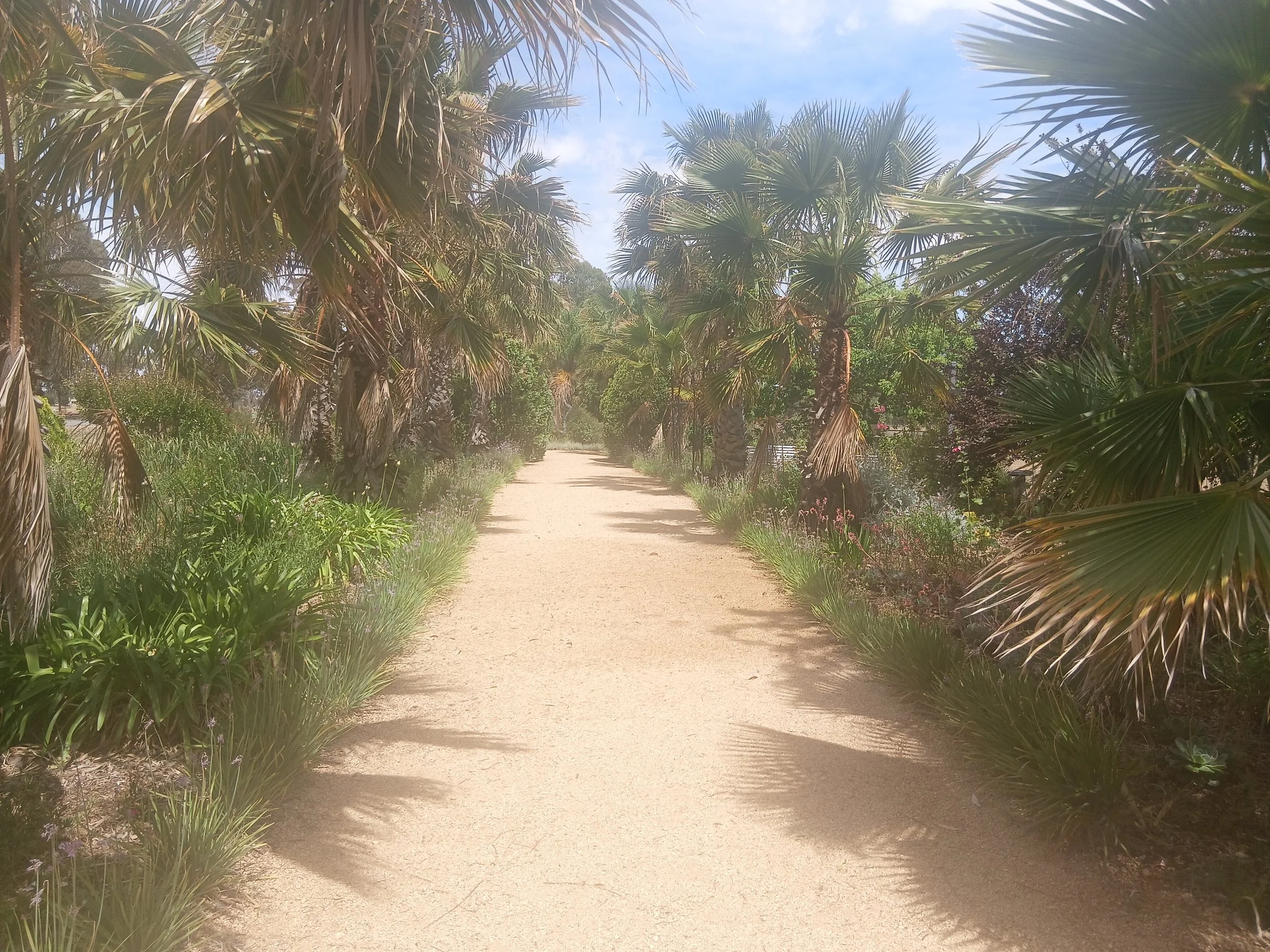
Tootool rest area
Wagga Wagga
The City of Wagga Wagga situated on the banks of the Murrumbidgee River provides ample opportunity for walks along the banks, birdwatching at Marrambidya Wetland or even a swim at Wagga beach. Wagga Wagga is situated in the heart of southern Wiradjuri Country, the largest of all nations in New South Wales. Research indicates that Wiradjuri People have been present in the region for 120,000 years (Wiradjuri Heritage Study 2002).
The Marrambidya Wetland is located at the end of Narrung Street, Wagga Wagga. Marrambidya Wetland can also be accessed via the Wiradjuri Walking track from either Wiradjuri Reserve to the east or Gobba Beach from the west. Vehicles can enter the site from Narrung Street, Wagga Wagga.
Wagga beach, just five minutes from the town centre, is a sandy bend in the Murrumbidgee River which has been turned into a lovely picnic spot and playground. In the warmer months cool off with a swim or kayak. It is located at the end of Johnston Street.
The Wiradjuri trail is a 42-kilometre loop around the whole city, covering river banks, hilltops and plains in between. Pick your mode of transport including walking, running or cycling.
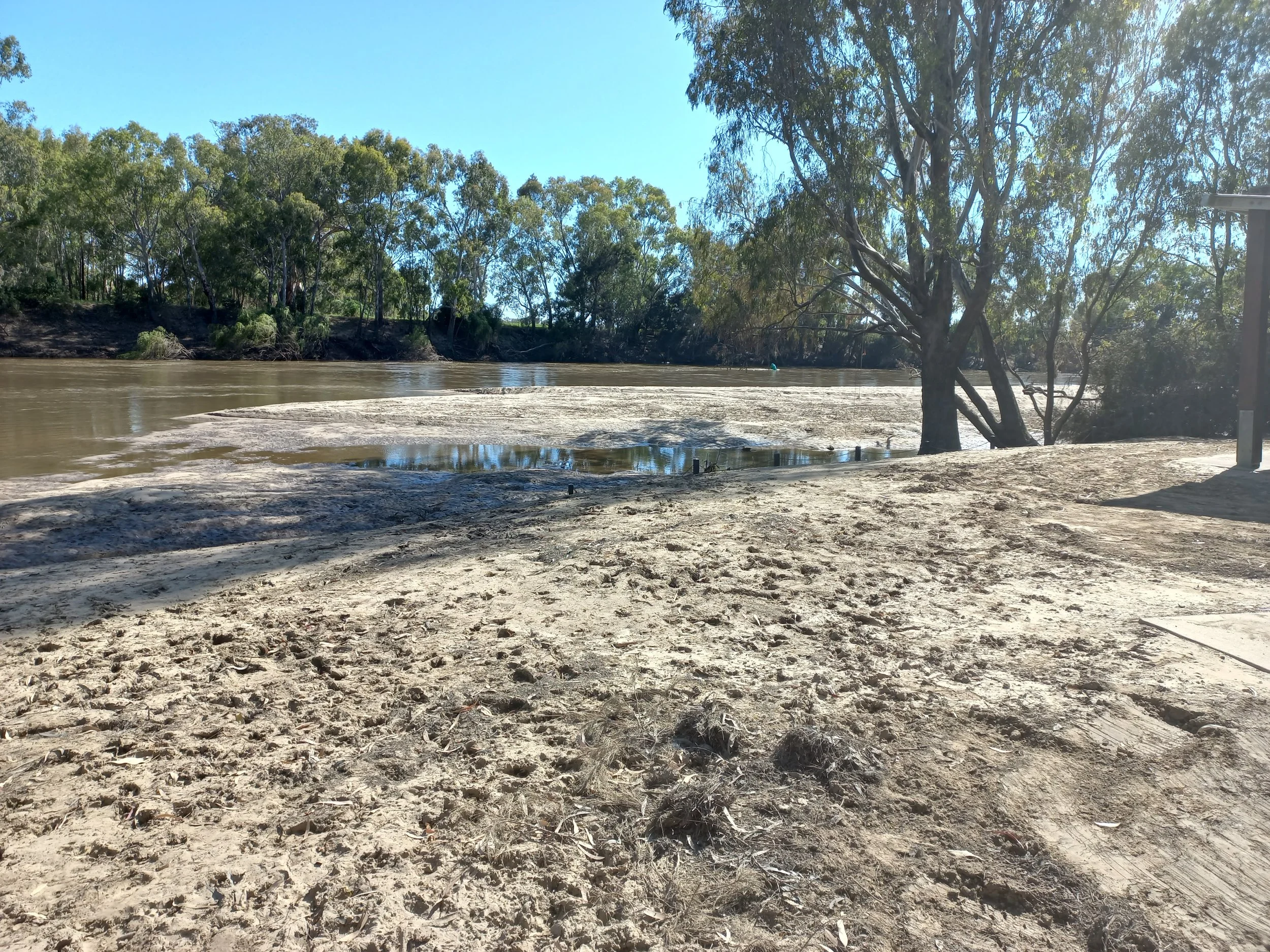
Wagga Beach
Junee
Junee is another lovely town with historic buildings, museums and parks full of blossoming roses. Museums include the Roundhouse museum, which is great for train buffs. Take a tour through the Junee Chocolate and Licorice Factory which was previously the Junee flour mill.
The Junee Urban Wetland is home to a variety of plant and animal species. It is rich in biodiversity, and plays an important part in urban stormwater management, receiving almost 75% of the town’s stormwater runoff. The boardwalk can accessed from the end of Crawley Street.
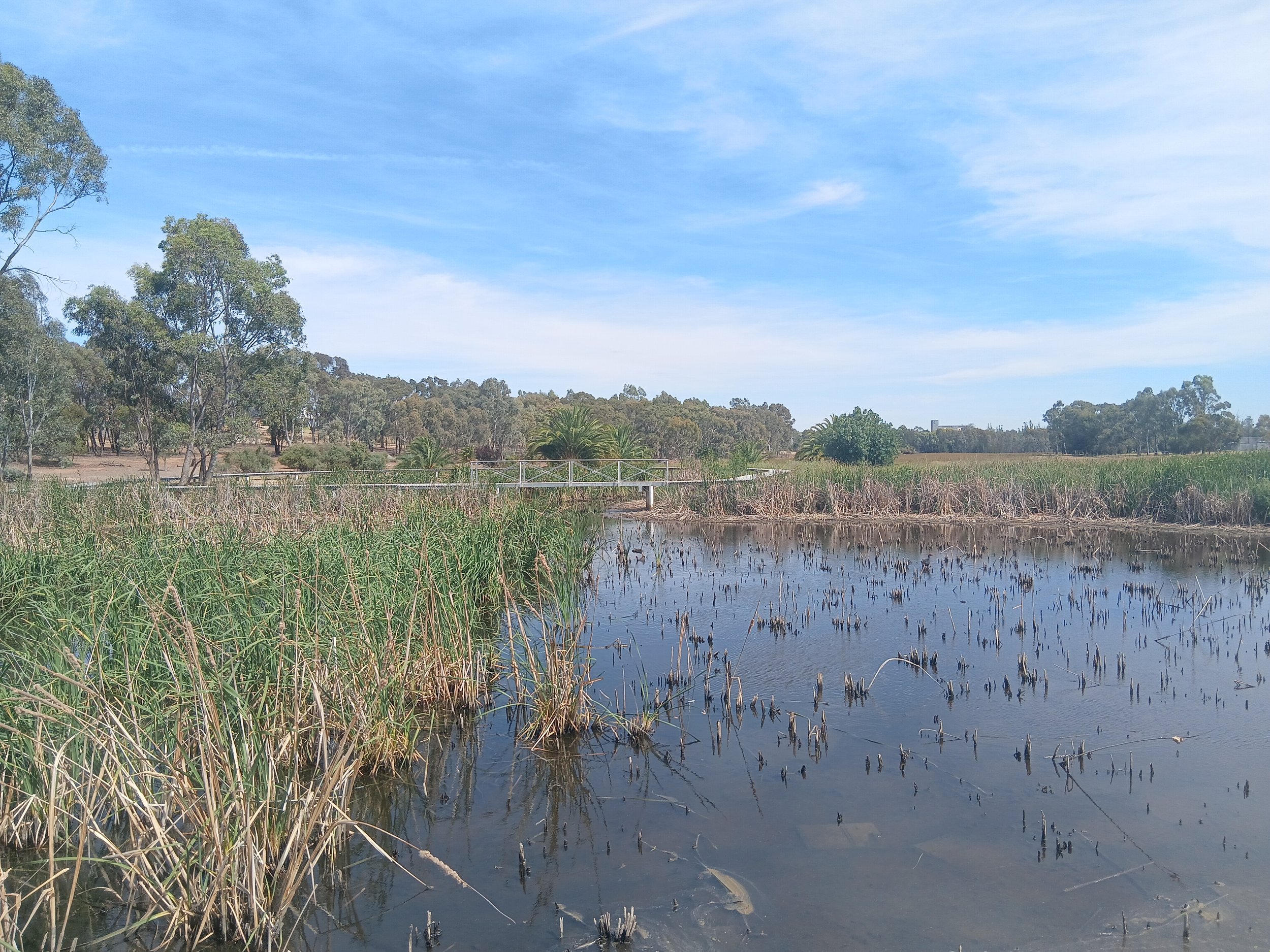
Junee Wetlands
Cootamundra
Pioneer Park, just outside Cootamundra is a natural reserve which gives a glimpse of what the native vegetation would have been like before European settlement. Tucked away off Back Brawlin Road, the park is home to thriving Yellow Box woodlands and an array of native wildlife, including kangaroos, echidnas, and kookaburras - making it a favourite for nature lovers and birdwatchers alike. There is a short walk up a hill which provides stunning views of the town. The are also picnic and barbecue facilities.
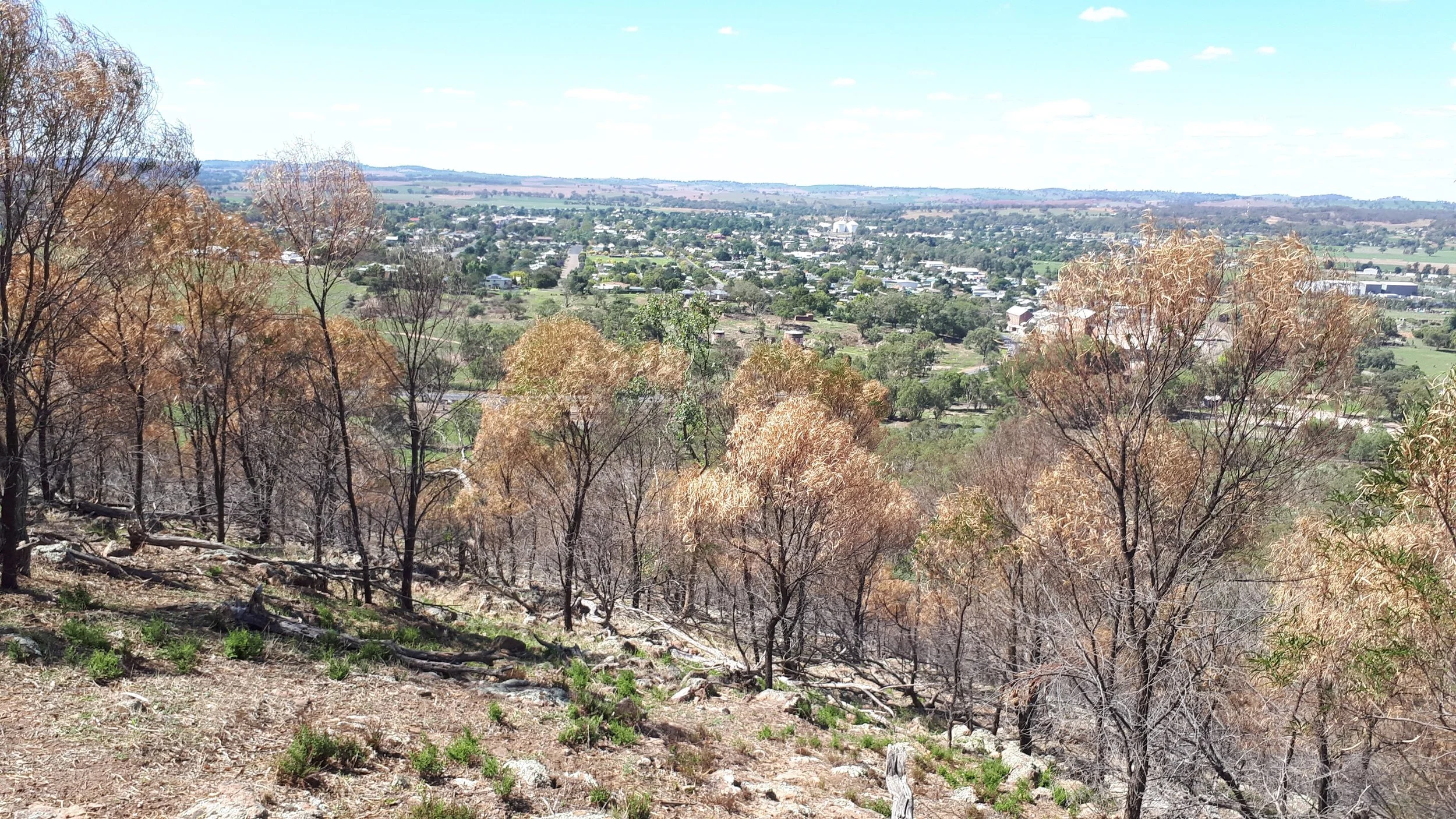
View of Cootamundra from Pioneer Park
Young
Known is known as the Cherry Capital of Australia. During the cheery season (November and December) you can visit orchards around town to pick your own. Located just 4km from Young’s town centre, the Lambing Flat Chinese Tribute Gardens offer a peaceful escape at Chinaman’s Dam reserve. This stunning garden is the perfect place for a relaxing stroll or picnic.
The gardens were established in 1992 to recognise the vital contributions of the Chinese community to Young’s settlement in the 1860s, and their impact on Australia’s cultural landscape.
Take a walk through the town to explore the old buildings from the 19th and early 20th century. The Young Historical Museum offers insight into local history, including the gold rush past and the cultural heritage of the district.
Cowra
Opened in 1979, the beautiful Cowra Japanese Garden is a well-maintained Japanese style garden in town featuring lakes, landscaped gardens and water features.
Cowra Japanese Garden and Cultural Centre was established to recognise and develop the relationship between the people of Cowra Shire and the people of Japan, a relationship that has its origins in the Prisoner of War Camp that housed the Japanese P.O.W’s during World War II.
In 1960 the Japanese Government decided to bring all their war dead from parts of Australia to be re-buried at Cowra. This was the beginning of the friendship between Japan and the town of Cowra.
The gardens with its manicured hedges, waterfalls and streams makes a stunning contrast with the rocky hills the garden is built on. The gardens also provide an environment for a myriad of birdlife.
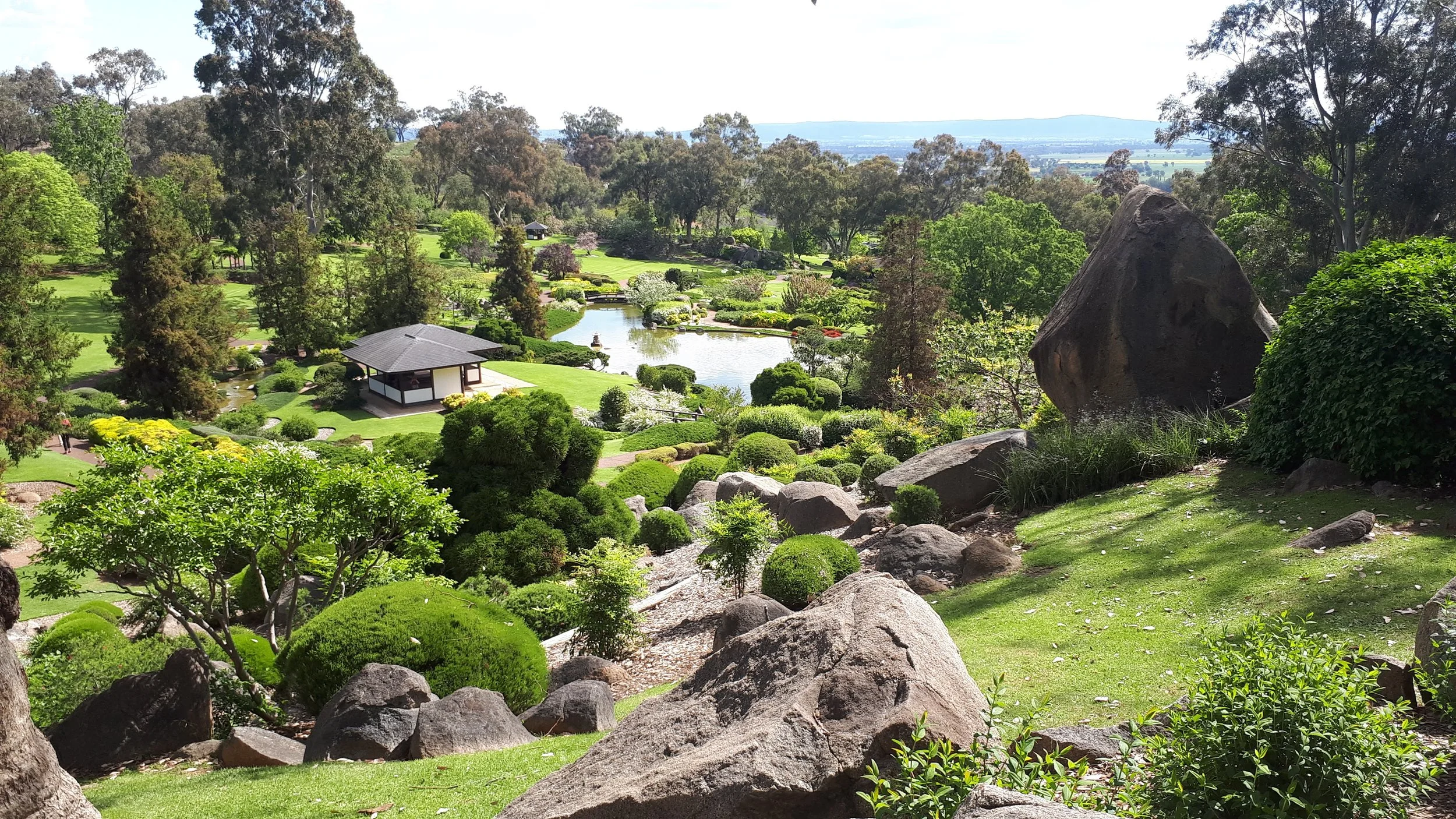
Japanese Gardens Cowra