Biodiversity of Australia’s plants
Australia is renowned for its unique ecosystems, made up of diverse flora and fauna. Around 150,000 species have been formally described in Australia, but this is only about 25 per cent of the total number present. Many species, such as insects, remain largely undiscovered. Australia is considered one of the world’s 17 megadiverse countries, which together account for 70 per cent of the world’s biological diversity across less than 10 per cent of the world’s surface (State of the Environment).
The uniqueness of Australia’s biodiversity is largely due to this continent being separated from other land masses for millions of years. In addition, the range and diversity of environmental conditions in Australia is different from most other countries due to characteristics such as nutrient-poor soils, high fire frequencies and a generally flat topography (State of the Environment).
In 2009, there were approximately 268,600 species of flowering plants known worldwide. Australia accounted for 18,706 of these species (Australian National Botanic Gardens).
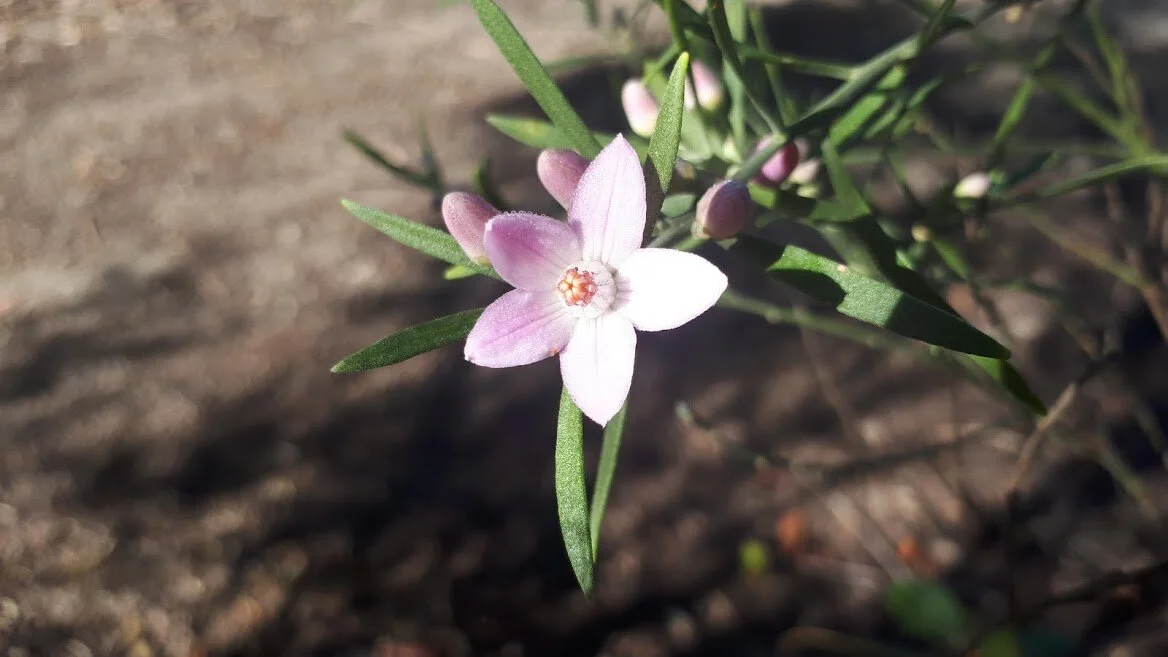
The Sydney region is one of the most species diverse in Australia. This is a result of the variety of rock types, topography and climates in the area (NSW Government). This is definitely true of the flowering plants.
Sydney has many areas dominated by shallow, poor, sand soils derived from Hawkesbury Sandstone. Yet ironically these nutrient poor soils support a diverse range of plants. Perhaps because of their need to adapt to low nutrients, harsh winds and frequent fires, this has resulted in the diverse range of plants.
Trees that grow on Hawkesbury Sandstone include the scribbly gum (Eucalyptus haemastoma), the Sydney Peppermint (Eucalyptus piperita), yellow bloodwood (Corymbia exima). Some of the more conspicuous shrubs that grow on sandstone include the Waratah and various types of Banksias, Grevilleas and Wattles.